E-Brochure - Download Now!
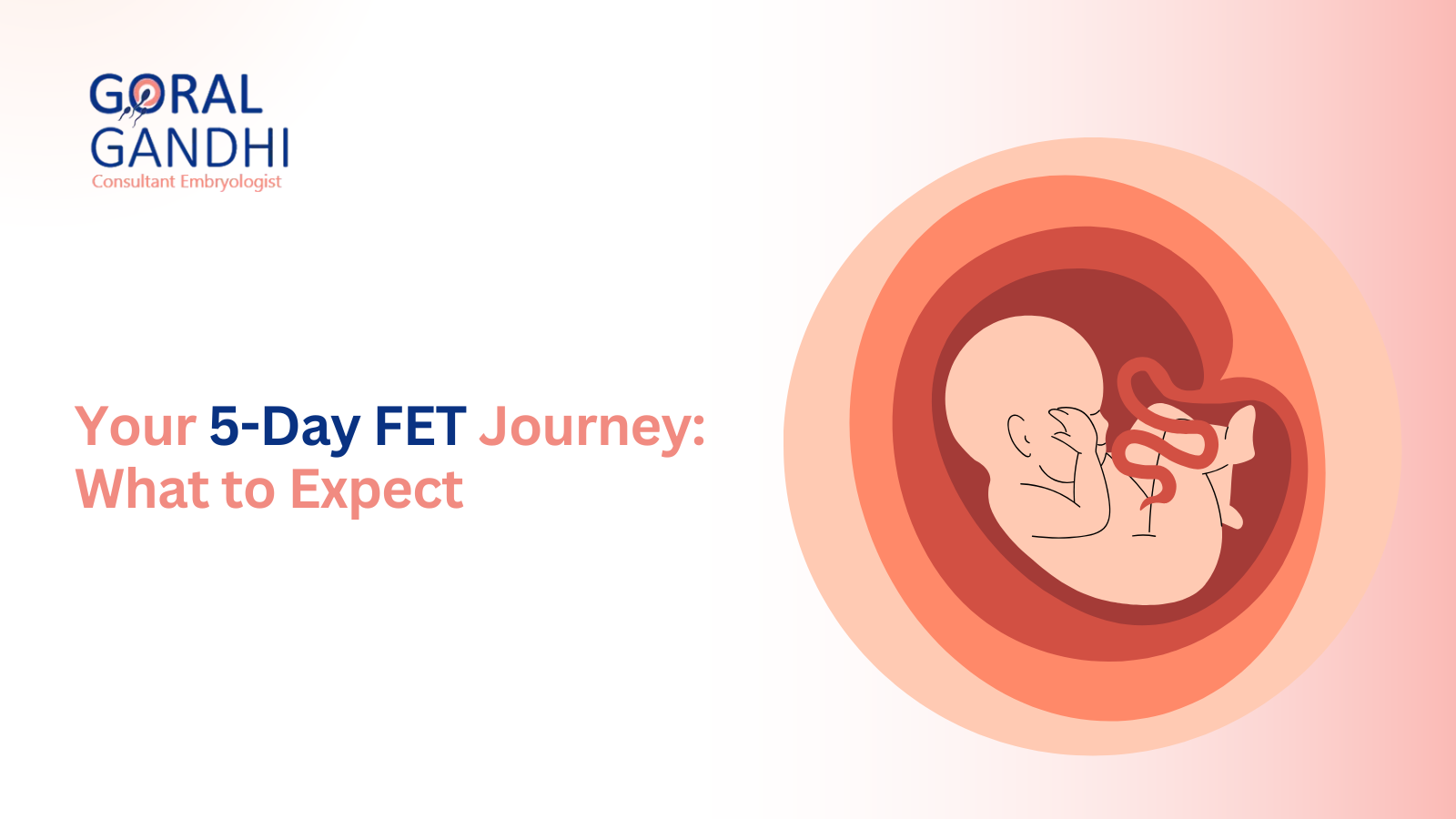
A 5-day frozen embryo transfer places a fully developed blastocyst inside the uterus, ready to begin the last steps that lead to pregnancy. While the transfer itself is simple, the days that follow can be filled with anticipation and uncertainty. Many women want to know exactly what happens in the body during the earliest stages of implantation and which sensations are normal.
This blog explains the complete day-by-day frozen embryo transfer implantation timeline for the first 5 days after transfer. Each woman’s experience is unique. Some feel many symptoms, some feel none, and both can lead to a healthy pregnancy.
Once a thawed blastocyst is transferred into the uterus, it resumes its natural development. The uterine lining, prepared through progesterone support, is already at the ideal stage for reception. Implantation is not immediate. The embryo must settle, make initial contact with the lining, and gradually attach.
A 5-day embryo typically begins implantation within twenty-four to forty-eight hours of transfer. Because a blastocyst is more advanced than a three-day embryo, the timeline is slightly quicker and more predictable.
Below is a clear, medically supported breakdown of what happens inside the body during the first 5 days after a 5-day frozen embryo transfer.
Day 0: Transfer Day
The blastocyst is placed gently into the uterine cavity. Implantation does not start today. The embryo simply settles and rehydrates. Some women feel mild cramping from the catheter, but most feel completely normal. Rest is fine, but gentle movement is also safe and does not affect implantation.
Day 1: Blastocyst Recovery and Re-Expansion
The embryo begins to expand after thawing. Its cells become active again and prepare for their next steps. Implantation has not yet begun for most women. Mild bloating, warmth, or heaviness can occur, but these sensations usually come from progesterone rather than implantation.
Day 2: Early Implantation Begins
The blastocyst now begins the earliest phase of implantation. It drifts to a suitable spot and begins gentle contact with the uterine lining. This stage is known as apposition. Some women feel slight twinges or cramps, although many feel nothing at all. Both scenarios are entirely normal.
Day 3: Firm Adhesion to the Lining
The embryo begins the process of adhesion, anchoring more firmly to the endometrium. The outer cells of the blastocyst start to interact closely with the lining. You may feel slight pressure, heaviness, or fatigue. Most sensations at this stage still relate to hormonal support rather than the embryo itself.
Day 4: Deepening Implantation
The blastocyst begins to embed more deeply into the uterine lining. In some cases, a small amount of pink or brown spotting appears, known as implantation bleeding. This is usually brief and light. Early human chorionic gonadotropin production may begin, although levels remain far too low for detection. Mild cramping or breast tenderness can appear, but many women have no symptoms.
Day 5: Beginning of Human Chorionic Gonadotropin Production
Implantation is usually firmly underway by Day 5. Human chorionic gonadotropin begins its gradual rise, although it is still too early for any form of pregnancy test. Some women notice bloating, warmth, mood changes or tiredness. Many feel nothing at all, and this can still be completely normal. These early days are only the beginning of the implantation process.
During the early implantation window, some women may notice:
Because progesterone creates many sensations that resemble pregnancy symptoms, the presence or absence of symptoms does not indicate success.
In the first 5 days, healthy early implantation may appear as:
These signs are possible but not essential. Many strong pregnancies begin with no noticeable sensations.
The first days after a frozen embryo transfer are influenced by several factors, such as:
Most of these factors are controlled by the clinic, not the patient. It is important to avoid self-blame and focus on calm routine care.
During the earliest part of the implantation window, avoid:
Light movement, calm breathing, and regular daily routines are safe and beneficial.
The first 5 days after a 5-day frozen embryo transfer are a quiet but significant phase in the journey to pregnancy. Some women feel changes quickly, while others notice nothing at all. Both experiences can lead to a healthy outcome. Understanding the timeline brings calm and clarity during the delicate early days. If you ever feel unsure, your fertility doctor can offer reassurance and expert care.
For personalised support during your fertility journey, book a consultation with Goral Gandhi, one of India’s best embryologists and a renowned fertility consultant in Mumbai. Her expertise in advanced reproductive science and patient care helps couples navigate treatment decisions with confidence and clarity.